

collab culture: the business case for brand partnerships
beyond the aesthetic logo swap

Brand collaborations are everywhere. From Jacquemus signing a beauty deal with L’Oréal to Louis Vuitton bringing back its iconic partnership with Japanese artist Takashi Murakami - a firm favourite from the 00s - partnerships are shaping the way brands grow, reposition, and connect with consumers. They’re storytelling. But beyond the aesthetic appeal of a logo swap, collaborations have become an essential business strategy - one that extends far beyond short-term revenue and should be a key part of any brand’s long-term growth plan.
This weekend, the WSJ covered the hyper-feminine brand LoveShackFancy. Beyond the tulle, pink, and florals, LoveShackFancy is more than just a brand - it’s a whole world with a devoted following to its romantic, vintage-inspired aesthetic. while partnerships (in this context collaborations) account for 8% of its business, they play a role in LoveShackFancy’s broader world-building strategy - expanding its reach and deepening brand affinity beyond fashion. The real gold (sorry, pink) isn’t direct revenue - it’s customer acquisition. The article notes that the LSF Stanley Cup collab brought in an influx of new customers, with 65% of purchases coming from first-time buyers. There are a couple of things at play here - the lower price point of the Stanley Cup making the brand more accessible combined with Stanley’s audience - leveraging the collab to break into new demographics and test products at lower price points without damaging their brand. They did something similar with a Gap collection & with Dunkin on magical desserts inspired by their collections.

Image: WSJ LoveShackFancy
It’s not just new customers that collaborations can bring in - look at Nike x Skims. Nike has been in its flop era—between April and September 2024, the number of people in the U.S. who prefer Nike dropped by 6% (~8M people), according to Tracksuit data. The sportswear giant saw an opportunity to tap into Skims’ cultural momentum and devoted audience, offering a shortcut to cultural cachet (something Nike desperately needs as part of its turnaround strategy). Meanwhile, Skims gained instant legitimacy in the performance wear category, an area they’ve been working towards with other sponsorships in the NBA, WNBA, and USA Basketball space. A collaboration that drove cultural relevance, sales, and even boosted Nike’s stock by 6% - showing that a well-executed partnership can create real business impact. The partnership succeeds because it addresses the business needs of both brands.
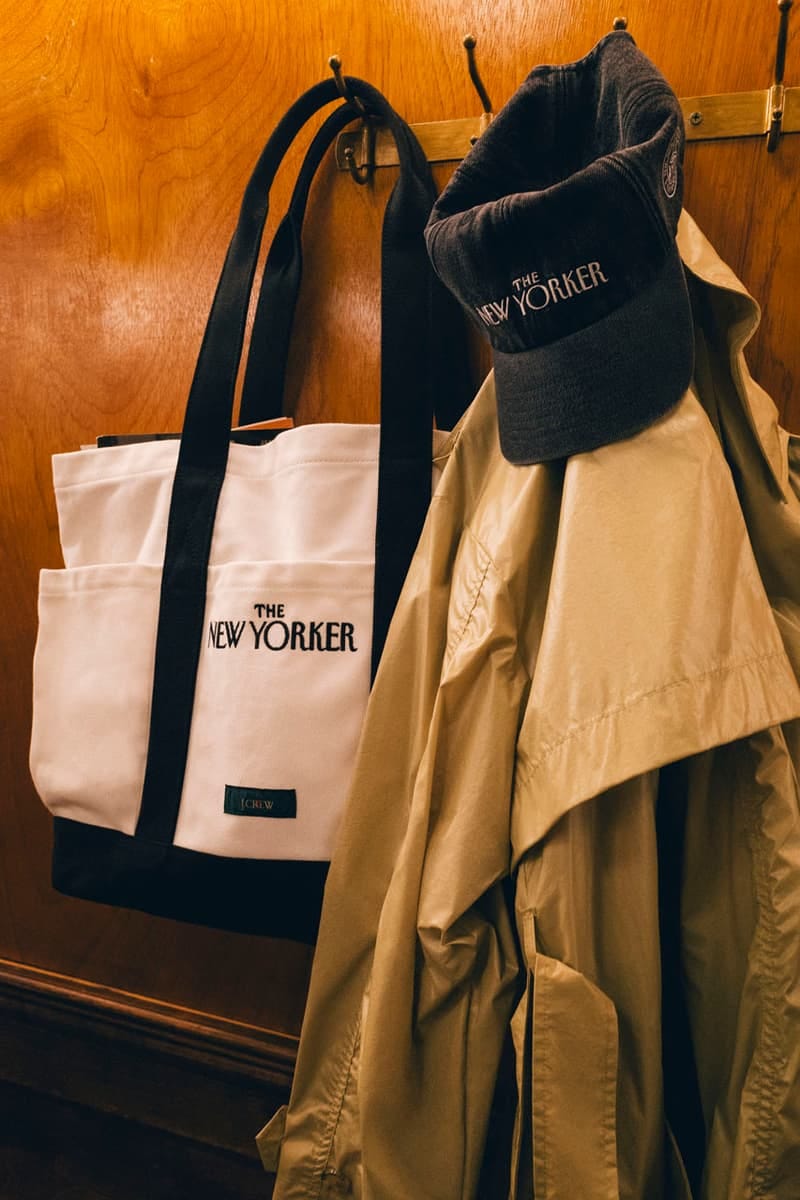
Image: J.Crew x The New Yorker
Can I go a week without talking about J.Crew? The surprise J.Crew x The New Yorker collection launched on Friday to celebrate 100 years (wow!) of The New Yorker - a collab that’s further cemented the fashion retailer with high-brow aspirational literature. And it’s not just the collection that aligns so well with the preppy vibe of old-school J.Crew - sad news, the tote is already sold out, so expect to feel envious when you see a few of those popping up on your coolest friends as their commute bag. I’ve gone off track. It’s not just the collection; it’s the content execution too. J.Crew made the special-edition pieces feel instantly cool by carefully selecting the New Yorkers they featured in the campaign. Emily Sundberg, the founder of one of the city’s most-read Substack newsletters, Feed Me, was included, layering tastemakers into the collaboration, adding a ton of coolness and storytelling to something that could have just been a logo on a cap. Licensing done right!
collabs done well offer brands a shortcut to -
new customer acquisition – partnering with a brand that has an adjacent (but not identical) audience can bring in high-intent shoppers who wouldn’t have engaged otherwise. Think Ganni x Barbour tapping into each other’s loyalists expanding beyond their core audiences. Collaborations can also help brands attract new demographics. Papier, grew its Gen-Z customer base from 10% to over 25% over the last few years. One of the factors driving this shift was their strategic use of collaborations, which resonated strongly with this group (Ad Age)
category expansion – beauty, home, accessories - collaborations allow brands to dip into new verticals without the operational risks of a full-scale launch. (Jacquemus working with L’Oréal makes sense to tap into their expertise and credibility in beauty.)
testing different price points – luxury brands can introduce more accessible entry points through collabs—think about the infamous Target collabs in fashion & home, Doen x Gap, Merit x Completed Works or Rixo x Stripe & Stare. Meanwhile, mass brands can experiment with premiumisation - e.g. Nike x Tiffany & Co.
re-engaging lapsed customers – some collabs serve as a powerful tool to bring back former customers. Amy Dakin, previously head of brand at Astrid & Miyu noted that when they partnered with ELEMIS for The Icons Collection, they saw a measurable uplift in customer lifetime value (CLV) and successfully re-engaged lapsing customers, with the collaboration becoming the #1 shopped product online during launch week. The key? Aligning shared values, customer demographics, and objectives to create a campaign that resonated deeply with both audiences.
cultural relevance & repositioning - a well-placed collaboration can help a brand realign itself with a certain aesthetic, lifestyle, or movement. (Gucci x North Face, allowed Gucci to tap into the growing gorpcore trend and outdoor lifestyle vibe, making it feel relevant)
building brand trust – research shows that 71% of customers shop from trusted brands (tracksuit data) Collaborations aren’t just about expanding reach—they also build trust through association. Measuring key brand perceptions and aligning with partners who elevate yours is a long-term play, but one that pays off.
so if you’re only looking at collabs as nice to do marketing - you’re doing It wrong
if you're only viewing collaborations as a marketing tactic or quick revenue boost, you're doing it wrong. While some collaborations drive direct sales, many are about brand equity, expanding reach, and building a broader ecosystem that eventually feeds back into revenue. The mistake brands make is treating partnerships as transactional rather than strategic. The most impactful collaborations are:
thoughtfully aligned – does the partner’s audience, values, and aesthetic reinforce your brand’s positioning? If not, even a high-profile collab can feel disjointed. The contrast between contemporary Ganni and classic Barbour is why the partnership works—that and their shared value of quality, sustainability (the edits included reworked jackets), and the word “effortless” bringing their collab together.
integrated, not siloed – a collaboration shouldn’t be a one-off drop; it should be embedded into a brand’s broader marketing strategy, from content to retail activations. If leadership needs convincing, research shows that strong brand equity leads to higher marketing efficiency and long-term customer loyalty. The best collaborations aren’t just a flash-in-the-pan; they drive sustained brand value and revenue growth over time.
more than a moment – the best partnerships don’t just generate hype - they create lasting value for consumers but also for the brands, whether through learnings, building customer relationships, storytelling, or future product development. Your collabs should be moving the needle.
end note
Every brand needs to be in the collaboration game, but the ones really winning are thinking long-term and strategically. Whether it’s LoveShackFancy acquiring new customers through co-branded products or Nike leveraging Skims to reinforce its women’s business, partnerships are no longer just a marketing play - they’ve become a core business strategy. The question is no longer whether to collaborate, but how to execute partnerships that drive growth and push the brand forward.
Thanks for your thoughtful questions! Here are my notes -
- When approaching brand partners you’re not yet connected with, it’s important to be friendly but clear. There’s nothing worse than a vague pitch like, "I have an idea for a partnership - can we jump on a call?" Start with a clear story, shared values, and how the collaboration aligns with their goals. It’s not just about a pitch - it’s an invitation to partner on something cool.
- On the Doen x Gap collaboration, quality is crucial, but sometimes there’s less control over production than you'd like. It’s key to align with a partner who shares similar standards, as consumers need to feel the product is worth holding onto even after the buzz dies down. Sometimes brands are balancing tight margins and often more squeezed with a partnership too so it can be a challenge!
- The Lululemon x Lewis Hamilton partnership is an interesting ambassador move, I’m intrigued by how brands are using men to boost visibility in predominantly women-focused brands like Pete Davidson for Reformation launching their mens line. It’s a trend worth watching as brands target a broader demographic.
Love this. Brand partnerships are one of my favorite marketing plays—shared audiences, heightened authority in key verticals. They come with risks, but their short-term nature actually works in their favor. The built-in scarcity drives exclusivity, making alignment more intentional and increasing the likelihood of conversion.